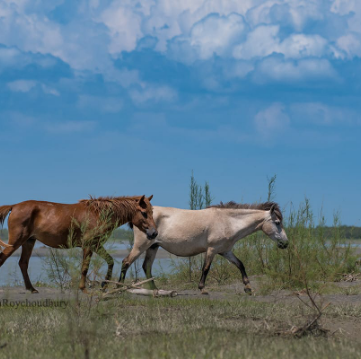
Wildlife / Nature
Dibru-Saikhowa National Park
Dibru-Saikhowa National Park is an important wildlife / nature connected with Tinsukia district and suitable for a trustworthy Assam travel guide.
AssamTinsukiaDibru-Saikhowa National ParkDibru-Saikhowa, Digboi oil heritage, Sadiya, Margherita and tea-coal frontier routes
Make room for Tinsukia in your next adventure.
Open trip planner →Know something this guide is missing?Share a hidden place, correction, accessibility detail or seasonal change with our editorial team.
Tinsukia district is part of Assam's Upper Assam division, with headquarters at Tinsukia. This district guide covers trusted tourism, heritage, nature and culture references: Dibru-Saikhowa, Digboi oil heritage, Sadiya, Margherita and tea-coal frontier routes.
Tinsukia district is part of Assam's Upper Assam division, with headquarters at Tinsukia. This district guide covers trusted tourism, heritage, nature and culture references: Dibru-Saikhowa, Digboi oil heritage, Sadiya, Margherita and tea-coal frontier routes.
Tinsukia combines Brahmaputra or Barak valley life, temples and satras, tea or forest routes, local markets, festivals and community culture.
November to March is generally the best travel window for Tinsukia. Monsoon is green but river, flood and road conditions must be checked.
Dibru-Saikhowa National Park is an important wildlife / nature connected with Tinsukia district and suitable for a trustworthy Assam travel guide.
AssamTinsukiaDibru-Saikhowa National Park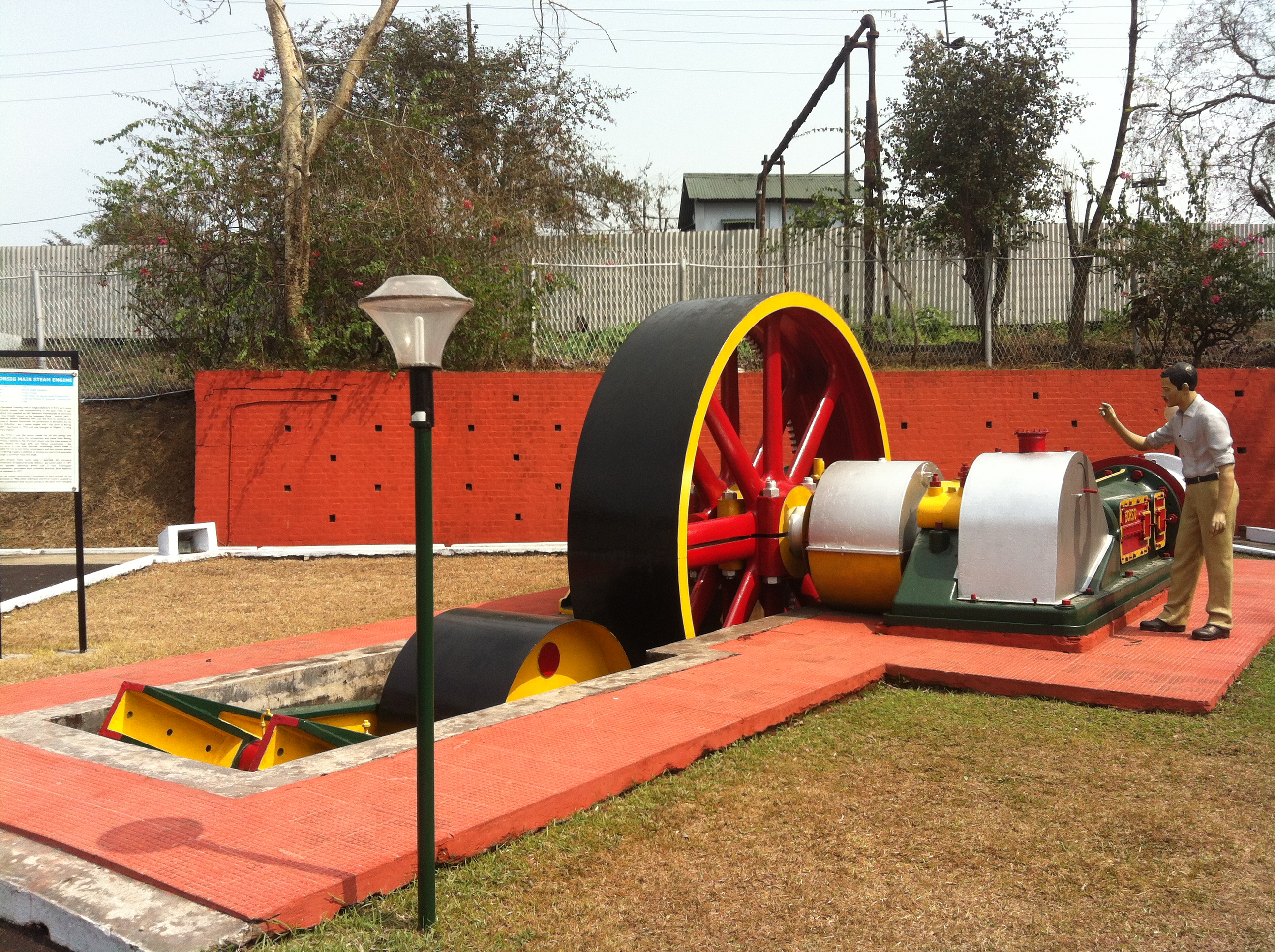
Digboi Oil Museum is an important heritage / culture connected with Tinsukia district and suitable for a trustworthy Assam travel guide.
AssamTinsukiaDigboi Oil MuseumSadiya is an important important place connected with Tinsukia district and suitable for a trustworthy Assam travel guide.
AssamTinsukiaSadiyaMargherita is an important important place connected with Tinsukia district and suitable for a trustworthy Assam travel guide.
AssamTinsukiaMargheritaHave a local discovery to share? Help our editors build a more thoughtful guide.
Suggest a hidden gem →Tinsukia food coverage includes Assamese rice meals, fish tenga, dal, khar, pitika, pitha, tea, local sweets and district-specific tribal, Barak Valley or hill flavours.
Rice, dal, seasonal vegetables, khar, pitika, tenga and chutneys form the common Assamese meal base.
Sour fish curry, small river fish, duck or local meat dishes are common where locally eaten.
Pitha, laru, doi-chira, jolpan, jaggery sweets and tea are important breakfast and festival foods.
Tea-garden meals, bamboo shoot, smoked food, lai xaak and tribal recipes vary across Bodo, Karbi, Mising, Dimasa and other communities.
New stories and reels will appear here after editorial review.
Open member field notes, quieter detours and thoughtful stories from the green side of India.
November to March is generally the best travel window for Tinsukia. Monsoon is green but river, flood and road conditions must be checked.
Warm and humid season. Early morning and evening are better for temples, markets, towns and wildlife edges.
Heavy rainfall and river flooding are possible, especially in Brahmaputra, Barak and low-lying districts.
Post-monsoon greenery, festivals and improving road conditions make this a useful travel period.
Most comfortable season for wildlife parks, satras, tea gardens, river islands and city travel.
National highways and local buses
Nearest railway stations
Nearest airport access